
Solasta Handheld Laser
CLINICAL-GRADE CLASS 3B LASER
The Solasta Handheld Laser is the most powerful low level laser therapy device on the market, designed to bring true in-clinic photobiomodulation into everyday use at home. It’s the most versatile light therapy device I use and recommend. Easy to use and comfortable in your hands, it can be applied anywhere on the body. In my work, I use it to support fertility, pregnancy, postpartum recovery, menopause, pain, wound healing, and nervous system regulation. It’s also an incredible tool for general wellness, injury recovery, and even pets. If you are investing in one light therapy device, this is the one to buy.
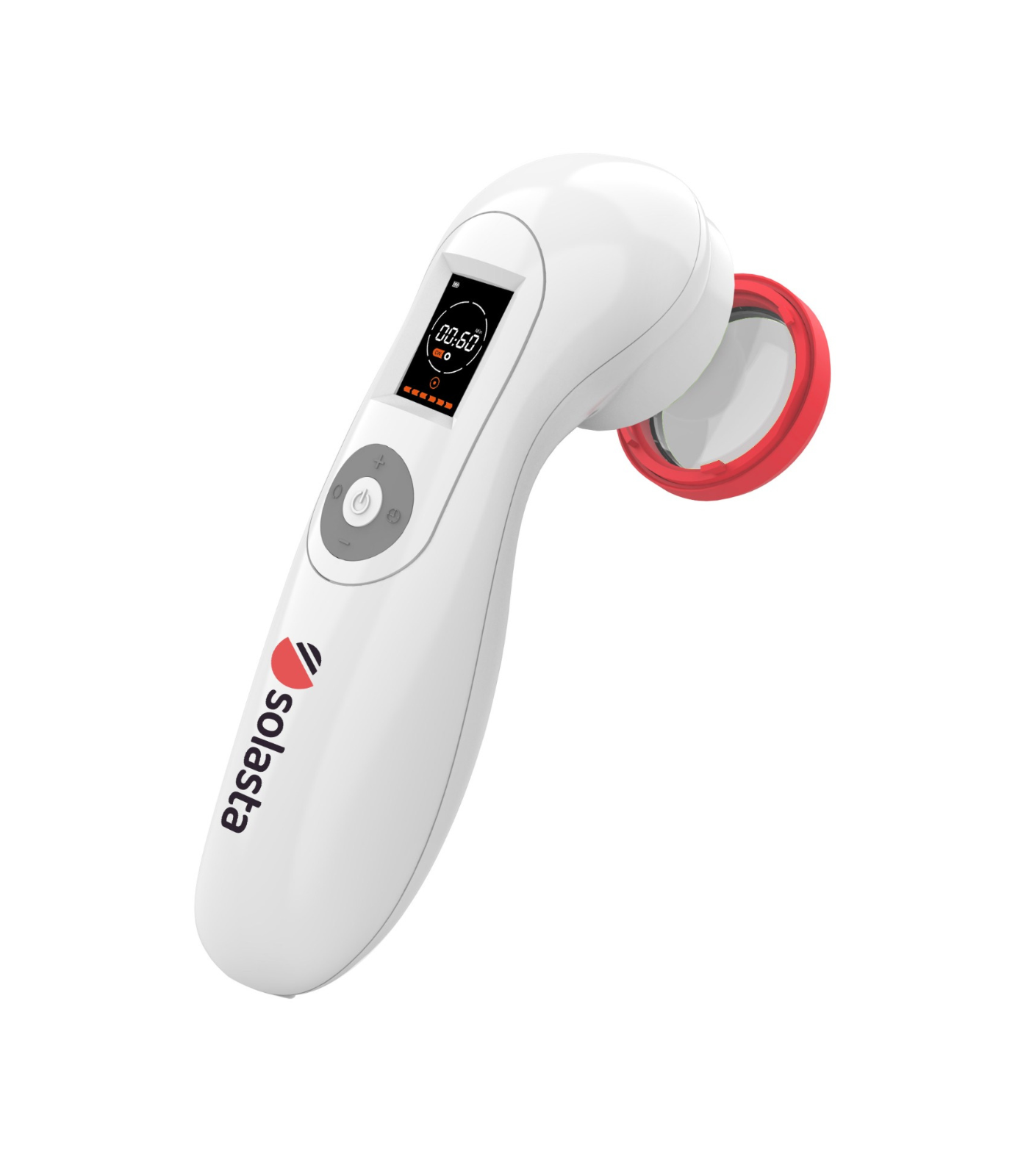
Clinical-grade Class 3B laser device. Used by professionals - now available for home use.
Industry-leading Class 3B GaAlAs laser diodes
Three adjustable power levels
Continuous or pulsed mode
Built-in treatment timer
Non-thermal, cordless and rechargeable
Designed for precise, comfortable, targeted light delivery
-
Laser Type
GaAlAs cold laser (low level laser therapy)Laser Output
1.3 W (1300 mW) total output
Continuous and pulsed modes availableLight Wavelength
650 nm (Red)
808 nm (Near-Infrared)Laser Characteristics
Coherent, collimated, monochromatic laser light
Focused treatment head for targeted dosing
Designed for direct skin contactLight Use & Adjustability
Three adjustable power levels
Continuous and pulsed modes
Programmable treatment times
Non-thermal at therapeutic settingsApplication
Can be applied anywhere on the body
Suitable for sensitive tissue and deeper structures with appropriate dosingDesign
Handheld and portable
Cordless and rechargeable
Low EMF designSafety
Non-thermal at recommended settings
Eye protection required
No drugs or downtimeFDA
Categorized under low risk and general wellness category. “General Wellness: Policy on Low Risk Devices” issued by FDA Sept. 27, 2019 -
Solasta Handheld Laser Device
USB-C charging cord and USA-plug power adapter
Carrying case
User guide
One-year limited warranty
Personalized treatment protocol included with purchase

Free US Shipping On Orders Above $500
1 Year Limited Warranty

Discrete Packaging

Includes Your Personalized Treatment Protocol ($225 Value)



INCLUDED WITH YOUR PURCHASE
Using a laser correctly matters. Results depend on wavelength, power, placement, timing, and frequency, not on guessing or copying a generic routine. Different goals require different approaches, especially when the laser is this powerful. When you purchase my Solasta Handheld Laser, you receive a treatment-specific protocol tailored to the issue you are addressing, your health history, and how this laser is meant to be used.
Treatment-Specific Protocols Are Essential
A Personalized Treatment Protocol Is Included
01
Purchase your laser device
After placing your order, you'll receive an order confirmation email with instructions for the next step in creating your personalized treatment protocol.
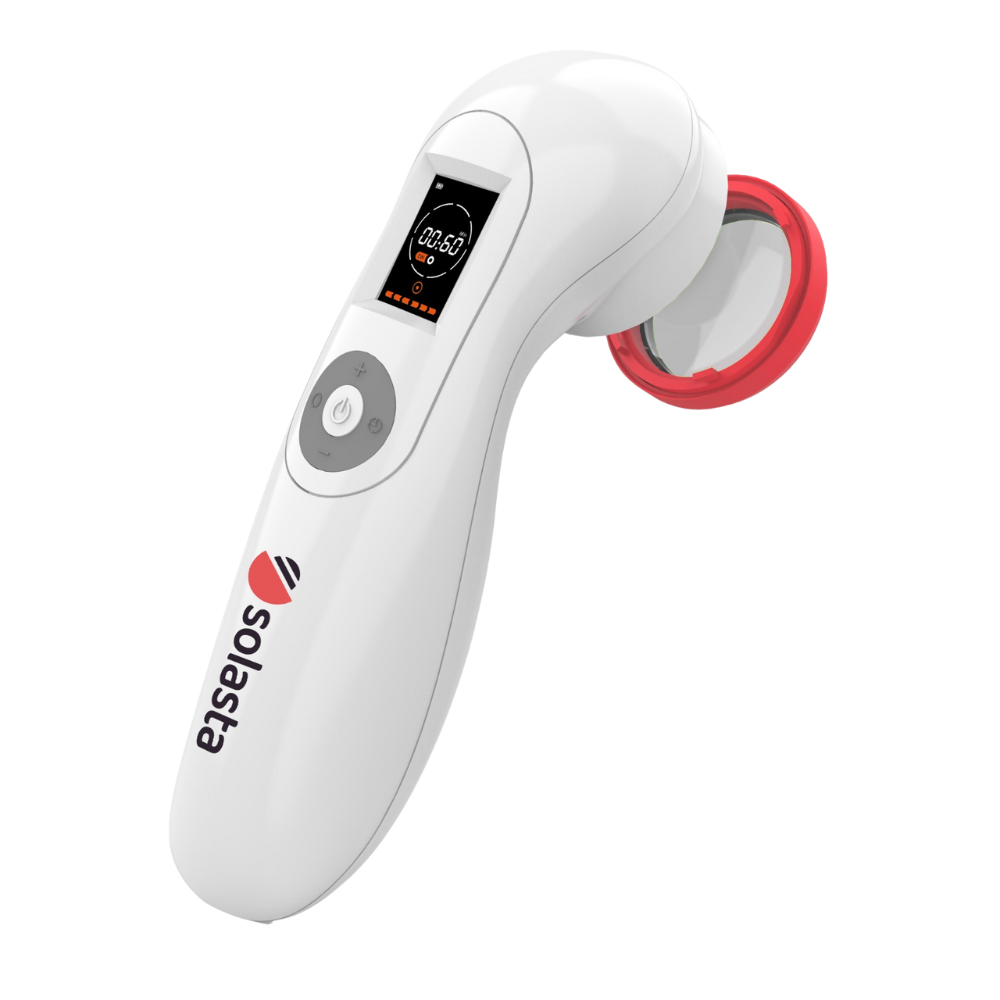
Clinical-grade Class 3B laser device. Used by professionals - now available for home use.
Industry-leading Class 3B GaAlAs laser diodes
Three adjustable power levels
Continuous or pulsed mode
Built-in treatment timer
Non-thermal, cordless and rechargeable
Designed for precise, comfortable, targeted light delivery
02
Complete your clinical assessment
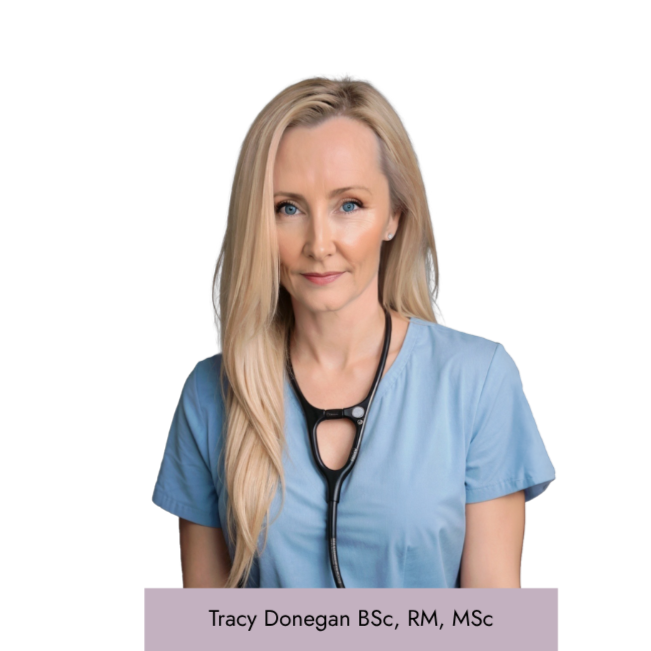
Your clinical assessment captures detailed information about your condition, symptoms, health history, and treatment goals so Tracy can develop a treatment protocol specific to your individual needs.
03
Receive your personalized protocol
Tracy will use the information from your clinical assessment to personally develop your evidence-based treatment protocol. Your personalized protocol will be delivered by email within 5–7 business days.
NOTE: When purchasing more than one device, Tracy will develop a single personalized treatment protocol that coordinates the use of all of your devices to achieve the most effective therapeutic outcome.
Low Level Laser Therapy for a Wide Range of Health Needs
TARGETED APPLICATIONS
Red light therapy, also referred to as low level laser therapy or photobiomodulation, improves circulation, reduces inflammation, supports tissue repair, and helps regulate nerve-related discomfort. The Solasta Handheld Laser is used for applications where precise, targeted dosing makes a meaningful difference in comfort, function, and recovery.
Common Uses
Fertility Support

Pregnancy-Related Pain and Discomfort
Postpartum Healing and Recovery
Menopause-Related Changes
Acute and Chronic Pain
Wound Healing and Scar Support
Nerve Pain and Sensitivity
Pelvic Pain and Pelvic Girdle Pain
Musculoskeletal Pain and Joint Issues
Cognitive and Brain Health
What is Red Light Therapy and How Does It Work?
Photobiomodulation, often referred to as red light therapy, utilizes low-level red and near-infrared light to boost cellular function, enhancing energy production within cells.
The light deeply penetrates the skin to reach the mitochondria - the cell's power generators - where it stimulates the cytochrome c oxidase protein. This stimulation boosts adenosine triphosphate (ATP) production, essential for powering cellular operations. Additionally, it helps modulate reactive oxygen species (ROS), linked to inflammation and oxidative stress.
By elevating ATP and curbing ROS, red light therapy enhances mitochondrial health.
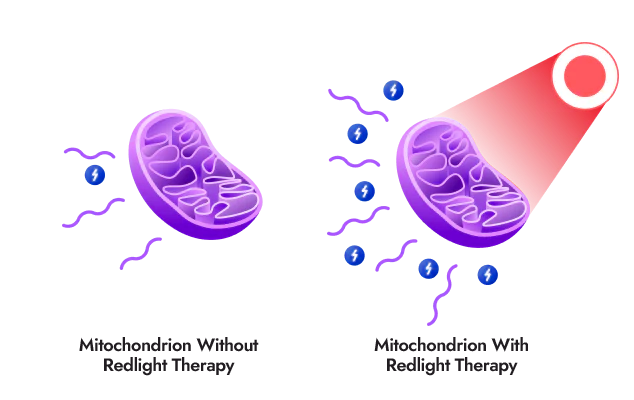
When light enters the tissue, several changes occur at the cellular level:
ATP increases, which improves cellular energy and function.
Blood flow improves through nitric oxide release.
Inflammation signals shift, supporting tissue repair.
Nerves and muscles respond with improved regulation and reduced tension.
These effects make photobiomodulation useful for conditions that benefit from improved circulation, healthier tissue metabolism, reduced inflammation, and more stable nerve signaling across multiple systems in the body.
Red light therapy is noninvasive and nonthermal. It works by delivering specific red and near-infrared wavelengths that interact with cellular processes involved in energy production, repair, and signaling.
Red and near-infrared light do more than increase cellular energy. When cells absorb light, it changes how they communicate, regulate inflammation, and coordinate repair. Mitochondria influence signaling pathways that affect blood flow, immune response, nerve behavior, and tissue remodeling. These effects can spread through connected tissues, producing system-level responses from localized treatment. At the same time, light can be applied deliberately to tissues involved in broader regulation, such as bone marrow, lymphatic structures, or neural pathways, allowing targeted influence over system-wide processes.
Why Clinicians Are Using Red Light Therapy and Low Level Laser Therapy
Photobiomodulation is no longer limited to musculoskeletal care. Clinicians across fertility care, women’s health, postpartum recovery, pain management, wound care, and menopause support use red and near-infrared light because it influences circulation, inflammation, nerve signaling, and cellular repair at a foundational level.
Many of the tissues involved in fertility, hormone regulation, healing, and pain are highly responsive to light because they depend heavily on mitochondrial activity and blood flow. When the right wavelengths are delivered at appropriate doses, clinicians observe improvements in tissue function, circulation, comfort, and recovery across multiple systems, not just a single organ or diagnosis.
This is why red light therapy and low level laser therapy are now used alongside care plans for fertility challenges, pregnancy-related pain, postpartum recovery, wound and scar healing, nerve irritation, chronic pain, and menopause-related changes. As research continues to expand, PBM is increasingly viewed as a practical adjunct grounded in both published data and clinical experience.
“When cellular energy production and inflammatory signaling shift, multiple tissues respond. This is why photobiomodulation appears across so many areas of clinical care, and why a precise handheld laser can be used in so many different ways..”
The Science Behind Wavelengths, Irradiance, and Dosage
Not all red light therapy devices are the same. Wavelength, power output, and total dose determine how light interacts with tissue and whether it produces a meaningful biological response. Understanding these elements helps explain why low level laser therapy and photobiomodulation are used across fertility care, pain management, healing, and neurological support.
-
Laser-based photobiomodulation uses specific wavelengths because different tissues respond at different depths.
Red light at 650 nanometers primarily influences more superficial tissues, supporting circulation, cellular energy production, and surface-level repair.
Near-infrared light at 808 nanometers penetrates more deeply, influencing blood flow, mitochondrial function, nerve signaling, and tissues involved in pain regulation, healing, and hormone-related processes. This wavelength is widely studied in clinical and research settings.
The Solasta Handheld Laser delivers both red and near-infrared laser light, allowing treatment of both surface and deeper tissues with precision.
-
Irradiance describes how much light energy reaches the tissue, measured in milliwatts per square centimeter.
Devices with low power output may appear bright but fail to deliver a therapeutic dose, especially in deeper tissue. Laser-based devices differ from LEDs by delivering coherent, focused light that maintains intensity as it penetrates tissue.
The Solasta Handheld Laser delivers up to 1300 milliwatts of laser output, allowing effective dosing over small, targeted areas without relying on long treatment times or diffuse exposure.
-
Dosage refers to the total energy delivered over time, measured in joules.
Photobiomodulation follows a biphasic dose response. Too little energy produces minimal effect. Too much can reduce effectiveness.
The Solasta Handheld Laser allows dosing to be adjusted through power level, mode, and treatment duration, making it possible to tailor energy delivery to different tissues and goals rather than relying on a single fixed routine.
Because different concerns involve different tissues and biological targets, dosing strategies vary. This is why evidence-informed protocols matter and why treatment-specific guidance is included with the device.
“Effective red light and low level laser therapy depend on calibrated dosing. Personalized Treatment Protocols make that possible.”
THE MOST POWERFUL AND VERSATILE HANDHELD LASER AVAILABLE
Why I Recommend the Solasta Handheld Laser to All My Clients
This is the handheld laser I use and recommend because nothing else in this category delivers the same combination of power, control, and versatility. It provides true red and near-infrared laser output at clinically relevant wavelengths, with enough power to matter and the ability to scale treatment safely across different tissues and needs.
I use this device across fertility care, pregnancy and postpartum recovery, menopause support, pain, wound and scar healing, nervous system work, and general recovery. It can be applied anywhere on the body, adapted to different situations, and used consistently without overheating or gimmicks.
If you are choosing one handheld light therapy device, this is the one that sets the standard.
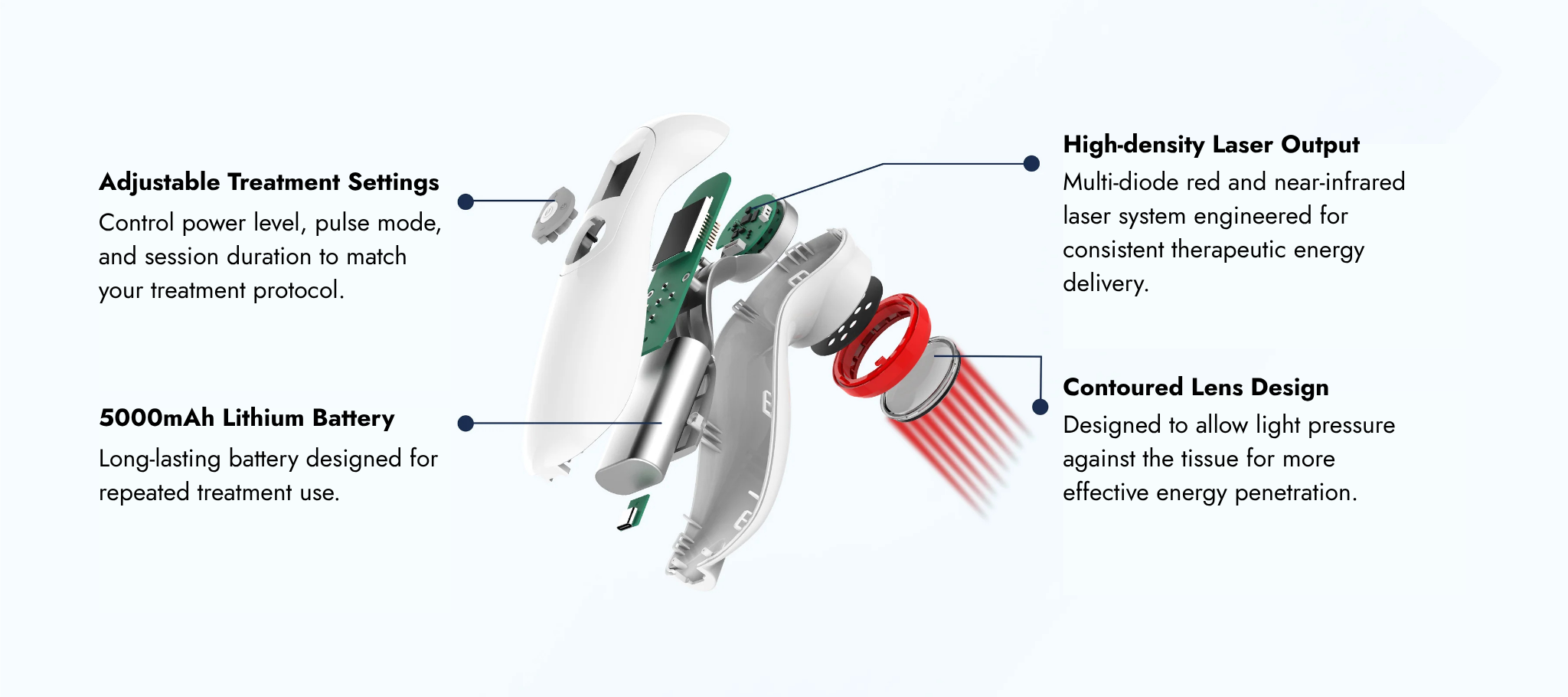
A Closer Look at the Solasta Handheld Laser
DESIGNED FOR HOME USE
Red Light Therapy Handheld Laser Device
When you purchase the Solasta Handheld Laser, you receive a free personalized protocol that matches the device’s technical capabilities with your health history and the issue you want to improve.
Clinical-grade Class 3B laser device. Used by professionals - now available for home use.
Industry-leading Class 3B GaAlAs laser diodes
Three adjustable power levels
Continuous or pulsed mode
Built-in treatment timer
Non-thermal, cordless and rechargeable
Designed for precise, comfortable, targeted light delivery
$495
Includes your Personalized Treatment Protocol ($225 value)