
I’m a medically trained midwife from Ireland. Before moving to the United States, I worked in clinical settings caring for women throughout pregnancy, labor, and postpartum. My work combines clinical training, research and childbirth education, with a focus on evidence-based tools for pain, stress, and recovery.
Expert Doula Care in Round Rock, Texas
Midwife with a European degree and clinical training
Doula with two decades of experience supporting families through pregnancy, birth, and postpartum
Clinical Director at Solasta Laser Clinic in Round Rock, Texas
Mindfulness Specialist with M.Sc in mindfulness-based interventions
Researcher in maternal health and behavioral science
Founder of GentleBirth, the world’s leading birth preparation app
Author of multiple traditionally published books on pregnancy and birth
International Speaker at medical, research, and childbirth conferences
Red Light Therapy Expert for women’s health across fertility, pregnancy, and postpartum
VBAC Specialist with extensive experience supporting VBAC families
Doula Trainer with more than 100 doulas trained globally
MY QUALIFICATIONS

Tracy Donegan - BSc, RM, MSc
Round Rock
•
Georgetown
•
Cedar Park
•
Hutto
•
Pflugerville
•
Leander
•
Liberty Hill
•
Taylor
•
Jarrell
•
North Austin
•
Round Rock
•
Georgetown
•
Cedar Park
•
Hutto
•
Pflugerville
•
Leander
•
Liberty Hill
•
Taylor
•
Jarrell
•
North Austin
•
Round Rock • Georgetown • Cedar Park • Hutto • Pflugerville • Leander • Liberty Hill • Taylor • Jarrell • North Austin • Round Rock • Georgetown • Cedar Park • Hutto • Pflugerville • Leander • Liberty Hill • Taylor • Jarrell • North Austin •
Request My Availability
My calendar fills quickly, and I can only take a limited number of births each month. If you’re interested in working with me, start by completing the form to request my availability. Be sure to read through my package details first.
I’ll review your due date, your planned birth location, and the details you share. If I’m available, I’ll text you to schedule a call. I only work with families where the fit is right for both of us. A call gives us a chance to make that decision and answer any open questions.
If I’m not available, you’ll still receive a reply so you’re not left waiting.

My approach combines clinical training with practical tools that help families stay informed, calm, and confident during pregnancy, labor, and postpartum. I focus on preparation, clear decision-making, and steady support from early pregnancy through the first hours after birth.
My work draws from midwifery, mindfulness, and behavioral science. This includes structured breathing, guided mental rehearsal, pain-modulation tools, and techniques that support labor progress. You’ll learn how and when to use each of these during our prenatal visits.
I am also a practicing Catholic, and that shapes the way I work with families. It influences how I view birth, how I support mothers, and how I respect the dignity of every life involved. I do not bring religion into your birth unless you request it, but my faith is part of the steadiness and clarity I bring to challenging moments.
During labor, my support is quiet, focused, and consistent. I work with positioning, breathing, communication with your care team, and helping you understand what’s happening so you can make decisions without pressure or confusion. I adapt to hospitals, birth centers, and home settings, and I stay with you through long or complex labors.
My goal is simple: to help you navigate your options, stay centered, and feel supported throughout your entire birth experience.
My Unique Profile as a Doula

UNDERSTANDING WHAT ACTUALLY SHAPES YOUR BIRTH EXPERIENCE
Navigating Your Birth Options
There are real differences between hospitals, birth centers, and home birth. The environment matters, but so do the policies, interventions, staffing, monitoring, and the way decisions are made. Most families don’t realize how much these factors shape their experience until they’re already in labor. My role is to help you understand this landscape early so you can make decisions that match your needs, preferences, and risk level.
Together we’ll make sense of:
Your birth setting options and what each one realistically offers

The approach and philosophy of different care providers
How interventions are used and what they mean in practice
Pain management choices available in your chosen setting
Questions to ask when choosing where and with whom to give birth
Prenatal visits are where we prepare, plan, and practice. This is where you get clear on your options, build confidence, and make sure nothing feels unfamiliar by the time labor begins.
Prenatal Visits: What We Cover
First PrenatalExploring Your Birth Priorities
This visit is focused on understanding what matters most to you. We talk through your planned birth setting, care provider, expectations for labor, and early postpartum priorities. I’ll help you think through decisions you may face and share questions you can bring to your provider so your care aligns with your preferences and values.
We also cover unmedicated birth options, common interventions such as epidurals, and how evidence-based care supports different choices. You’ll receive your Winner Flow breathing regulator and begin practicing at home.
Second PrenatalPreparing for Labor and Early Feeding
This visit is practical and hands-on. We refine your birth preferences and spend time practicing comfort measures you’ll use during labor, including positioning, counter-pressure, massage, and breathing techniques. Partners are encouraged to participate so they feel confident supporting you.
We also review breastfeeding positions and setups from the Mindful Breastfeeding program, talk through early labor logistics, and cover when to head to your birth location. You’ll receive your loaner TENS machine and practice using it so pain-management options feel familiar before labor begins.
By the end of this visit, you should feel prepared, clear, and confident about what’s ahead.
During labor and birth, my role is to provide continuous, steady support from the time you need me until after your baby is born. I focus on helping you stay grounded, supported, and informed as labor unfolds.
I support physical comfort through positioning, movement, touch, breathing, and the use of tools like TENS and red light therapy when appropriate. I help you adapt as labor changes, support your partner in knowing how to help, and create space for you to focus inward rather than manage the room. If you choose my Virtual Doula package I will instructor your partner in comfort measures, how to navigate birth preferences with staff, advocacy and autonomy.
I work alongside your care team in hospitals, birth centers, or home birth settings. When decisions arise, I help you slow things down, understand your options, and advocate for yourself with clarity. My presence is calm, practical, and consistent, especially when labor becomes intense or unpredictable.
This support does not change based on which package you choose.
Birth Support: What I Do
Postpartum Support
If you select a package that includes postpartum support, this is what that care looks like.
Postpartum support focuses on the first days after birth, when recovery is still fresh and feeding is being established. Visits are used to address breastfeeding challenges, positioning, soreness, swelling, and the questions that tend to come up quickly once you’re home.
I also help you understand what’s normal in early recovery, what may need attention, and when additional support is appropriate. The goal is to prevent small issues from becoming bigger ones during a time when energy and sleep are limited.
For families who include therapeutic laser support, it’s used to support healing of perineal tissue, sore nipples, or cesarean incisions, starting immediately after birth and continuing at home.
Postpartum care is practical, focused, and responsive to what you actually need in that moment.

Birth Locations I Support
I primarily support births in Austin, North Austin, Round Rock, Georgetown and the surrounding Central Texas communities. This includes hospital, birth center, and home birth settings within my service area.
I’m familiar with the care providers, hospitals, and birth centers in this region and work closely with families to plan logistics in advance so things feel straightforward and well coordinated when labor begins.
Requests outside of my primary service area can be considered based on availability and distance.
Austin
•
Round Rock
•
Georgetown
•
Cedar Park
•
Hutto
•
Pflugerville
•
Leander
•
Liberty Hill
•
Taylor
•
Jarrell
•
North Austin
•
Austin
•
Round Rock
•
Georgetown
•
Cedar Park
•
Hutto
•
Pflugerville
•
Leander
•
Liberty Hill
•
Taylor
•
Jarrell
•
North Austin
•
Austin • Round Rock • Georgetown • Cedar Park • Hutto • Pflugerville • Leander • Liberty Hill • Taylor • Jarrell • North Austin • Austin • Round Rock • Georgetown • Cedar Park • Hutto • Pflugerville • Leander • Liberty Hill • Taylor • Jarrell • North Austin •
Kind Words from Some of My Doula Clients
What I Believe Matters When Choosing a Doula
I’m often asked what families should look for when choosing a doula. Credentials matter, but they’re not the whole picture. What matters more is whether the support actually fits how you want to give birth and how you want to be supported.
These are the things I believe are essential.
Experience and Training
A doula should have experience supporting births in settings similar to the one you’re planning, whether that’s a hospital, birth center, or home. Training should go beyond a short certification course and include a solid understanding of both physiological birth and medical interventions. Staying current with evidence-based practice isn’t optional. Birth care changes, and your doula should change with it.
Approach and Support Style
Support should be informed and steady, not directive. A doula should be able to explain options clearly without pushing decisions, support your preferences while helping you understand trade-offs, and work comfortably alongside medical teams and hospital protocols. Knowing when to speak up and when to stay quiet matters more than constant coaching.
Preparation and Tools
Preparation should be structured and practical. Prenatal visits should do more than talk. You should learn comfort measures you can actually use, understand how labor unfolds, and feel confident that your partner knows how to support you. Tools should be used thoughtfully, not as gimmicks or one-size-fits-all solutions.
Availability and Continuity
You should have a clear understanding of availability around your due date, how overlapping due dates are handled, and what the backup plan is if it’s ever needed. Communication before and after birth should be consistent and reliable, not reactive.
Postpartum and Follow-Up
If postpartum care is offered, it should be specific and realistic. Early feeding support and recovery experience matter, and expectations should be set clearly so you know what support looks like once you’re home.
When you’re done talking with a doula, you should feel informed, respected, and steady. You shouldn’t feel rushed, sold to, or unsure about what support will actually look like.
Availability is Limited.CARE OPTIONS
Understanding how I structure my doula care is essential when deciding whether I’m the right fit for your family. I’ve designed my care options to give you flexibility, remove what isn’t relevant to you, and allow discerning families to choose the level of support that makes sense for their situation and their budget.
What Working With Me Looks Like
Packages and Care Structure
A
$2500
Two Prenatal Consults (One Virtual, One In-person at your home)
One Virtual Postpartum Consult to answer infant care/sleep/breastfeeding questions
One Virtual Birth Strategy Consult to build your birth plan (essential for unmedicated)
Continuous labor support at your chosen birth location
My Labor Toolkit (Red Light Therapy, TENS Machine, Winner Flow and CUB Birth stool)
Mindfulness Based Preparation (GentleBirth, Mindful Breastfeeding classes)
Breastfeeding Support Immediately After Birth
Unlimited Phone and Email Support throughout pregnancy
B
$1800
Virtual Doula
Two Virtual Prenatal Consults (Nutrition, Lifestyle and Mental Preparation)
One Virtual Postpartum Consult to answer infant care/sleep/breastfeeding questions
One Virtual Birth Strategy Consult to build your birth plan (essential for unmedicated)
Continuous Virtual Labor Support at your chosent birth location
Mindfulness Based Preparation (GentleBirth, Mindful Breastfeeding)
Unlimited Phone and Email Support throughout pregnancy
C
$4000
In-person Visits are Held at My Clinic in Round Rock
Two Prenatal Visits (One Virtual, One In-person at My Clinic in Round Rock)
Two Postnatal Visits (One Virtual, One In-person at My Clinic in Round Rock)
Continuous Labor Support
Hospital, Birth Center, or Home Birth Support
My Labor Toolkit (Red Light Therapy, TENS Machine, Winner Flow)
Mindfulness Based Preparation (GentleBirth, Mindful Breastfeeding)
Breastfeeding Support Immediately After Birth
Unlimited Phone and Email Support
D
$4500
In-person Visits Take Place in Your Home
Two Prenatal Visits (One Virtual, One In-person at Your Home)
Two Postnatal Visits (One Virtual, One In-person at Your Home)
Continuous Labor Support
Hospital, Birth Center, or Home Birth Support
My Labor Toolkit (Red Light Therapy, TENS Machine, Winner Flow)
Mindfulness Based Preparation (GentleBirth, Mindful Breastfeeding)
Breastfeeding Support Immediately After Birth
Unlimited Phone and Email Support
The difference between packages comes down to two factors:
whether multiple postpartum sessions are included, and whether in-person visits take place at my clinic or in your home.
Out-of-Area Requests
Families outside my primary service area may be considered based on location, driving time, and availability. When extended travel is involved, additional fees may apply and are discussed in advance.
Exclusive Birth Support
Some families ask about guaranteeing that I am the only doula on call around their due date. This is not part of standard doula care and requires me to limit my availability for other clients. An additional fee applies. This option is discussed only if requested and is subject to availability..
Tools and Techniques I Bring to Your Birth
ALL OF THESE TOOLS ARE INCLUDED IN EVERY DOULA PACKAGE AT NO EXTRA COST
I use a combination of clinical knowledge and evidence-based tools to support labor, reduce discomfort, help you stay focused, and improve recovery. These methods come from midwifery, mindfulness, and women’s health research, and each one serves a specific purpose during pregnancy, labor, and postpartum. The sections below give you a clear explanation of how each tool works and how we use it together.
-
Red light therapy supports tissue health, circulation, and healing. During pregnancy, it can help prepare perineal tissues and reduce discomfort. During labor, it supports relaxation and may help with pain modulation. After birth, it’s useful for perineal healing, nipple trauma, and overall recovery. I integrate red light therapy into your preparation plan and teach you how to use it safely and effectively at home.
-
A TENS unit provides electrical pulses that help manage labor sensations, especially during early and active labor. It can reduce the intensity of contractions and help you stay more comfortable while still mobile. I teach you when to start using it, how to adjust the settings, and how to combine it with movement and positioning to support labor progress.
-
The Winner Flow helps you maintain steady, controlled breathing during contractions. It reduces upper body tension, supports pelvic floor relaxation, and helps create a more efficient breathing pattern. I show you how to use it during prenatal visits so it feels natural during labor, especially in moments when grounding and focus matter most.
-
Mindfulness training supports clearer thinking, less fear, and better coping during labor. It’s a practical way to stay present and reduce the mental and emotional pressure that can build during long or intense contractions. I use mindfulness techniques drawn from formal training in mindfulness-based interventions and adapt them to your specific birth plan and comfort level.
-
GentleBirth is the birth preparation system I created after years of clinical work and research. It uses cognitive training, mental rehearsal, and mindfulness to improve confidence and reduce anxiety. You’ll use it daily during pregnancy, and during our prenatal visits we tailor the practices to the kind of birth you want and the situations you’re likely to encounter.
-
Early breastfeeding can be physically and emotionally demanding. Mindful breastfeeding techniques help with latch, comfort, and reducing tension in the early postpartum period. I teach you practical skills you can use from the first feed onward, with a focus on reducing stress and helping you and your baby settle into a rhythm that works.
BIRTH, RECOVERY & BREASTFEEDING
Red Light Therapy
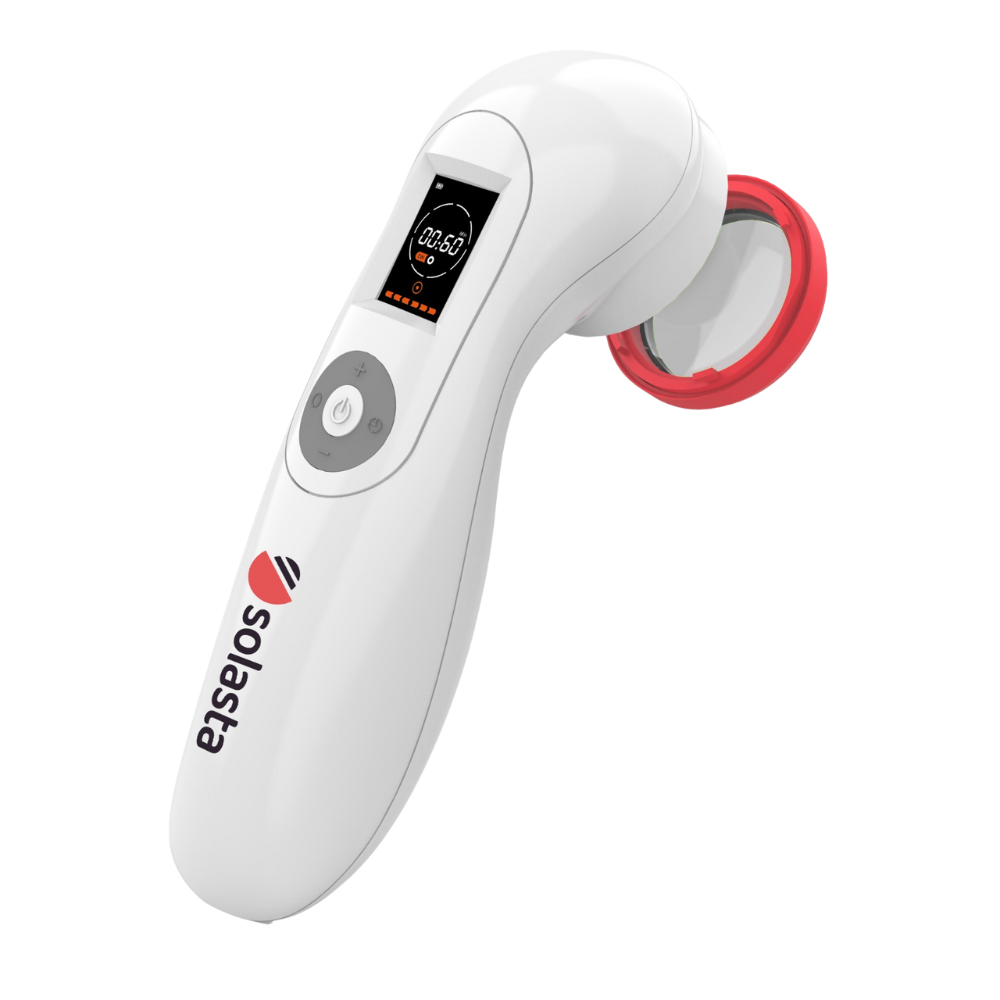
Red light therapy supports tissue health, circulation, and cellular repair. In pregnancy and birth, these effects translate into real, practical benefits. I use red light therapy as part of your preparation and postpartum recovery, and I teach you exactly how to use it at home in a safe and effective way.
I use clinical-grade red light devices at my clinic in Round Rock, and your birth preparation plan will include specific guidance based on your needs.



During Pregnancy
Red light therapy can help prepare perineal tissues by improving elasticity and circulation. This may reduce discomfort in late pregnancy and support better stretching during birth. It’s also helpful for lower back tension, pelvic discomfort, and general relaxation at the end of the day.
During Labor
Used during labor, red light therapy can support muscle relaxation, reduce tension, and help with pain modulation. It can be used on the lower back, sacrum, and pelvic floor. For women planning a physiological birth, it’s a tool that can help maintain comfort without limiting mobility or interfering with monitoring.
Postpartum Healing
Immediately after birth, red light therapy assists with tissue repair and inflammation. It’s useful for perineal healing (with or without sutures), abdominal discomfort, and cesarean wound recovery once cleared. Many mothers also find that regular use helps with overall energy and mood during the early postpartum weeks.
Breastfeeding
Reduce nipple pain, blocked ducts and the risk of mastitis with my hand held home laser (available for purchase). Red light therapy accelerates healing by increasing cellular ATP, increasing circulation and reducing swelling and inflammation. Many mothers also find that regular use helps with overall energy and mood during the early postpartum weeks.
TARGETED PAIN RELIEF FOR EARLY AND ACTIVE LABOR
TENS for Labor: How and When We’ll Use It
A TENS unit delivers small electrical pulses through pads placed on your lower back. These pulses help modulate labor sensations and support you through contractions, particularly in early and active labor. TENS is a practical, non-pharmacological tool that keeps you mobile, in control, and comfortable without interfering with monitoring or movement.
-
TENS works by stimulating sensory nerves, which can reduce the intensity of contraction sensations and create a more manageable pattern. Many women find that it offers relief without limiting their ability to walk, change positions, or use other comfort measures. It can also support rhythm and focus, which are important for labor progress.
-
TENS is most effective when started in early labor, ideally before contractions become intense. Beginning early allows your body to adapt to the sensations and makes the “boost” function more effective as labor progresses. I’ll guide you through when to apply the pads, how to adjust the settings, and how to combine TENS with movement and breathing.
-
DescriptionDuring prenatal visits, I’ll show you exactly where to place the pads and how to control the settings so you feel confident using it at home or on the way to your birth location. During labor, I’ll help you adjust intensity as contractions build and shift, and we’ll use TENS alongside positioning, breath work, and other tools to support comfort and progress.
-
TENS is a tool you control in real time. It doesn’t interact with other pain relief options, and it can be used in both hospital and home settings. It provides steady, predictable support that helps many families avoid early hospital admission and maintain a calm, deliberate pace through labor.
CONTROLLED BREATHING FOR LABOR
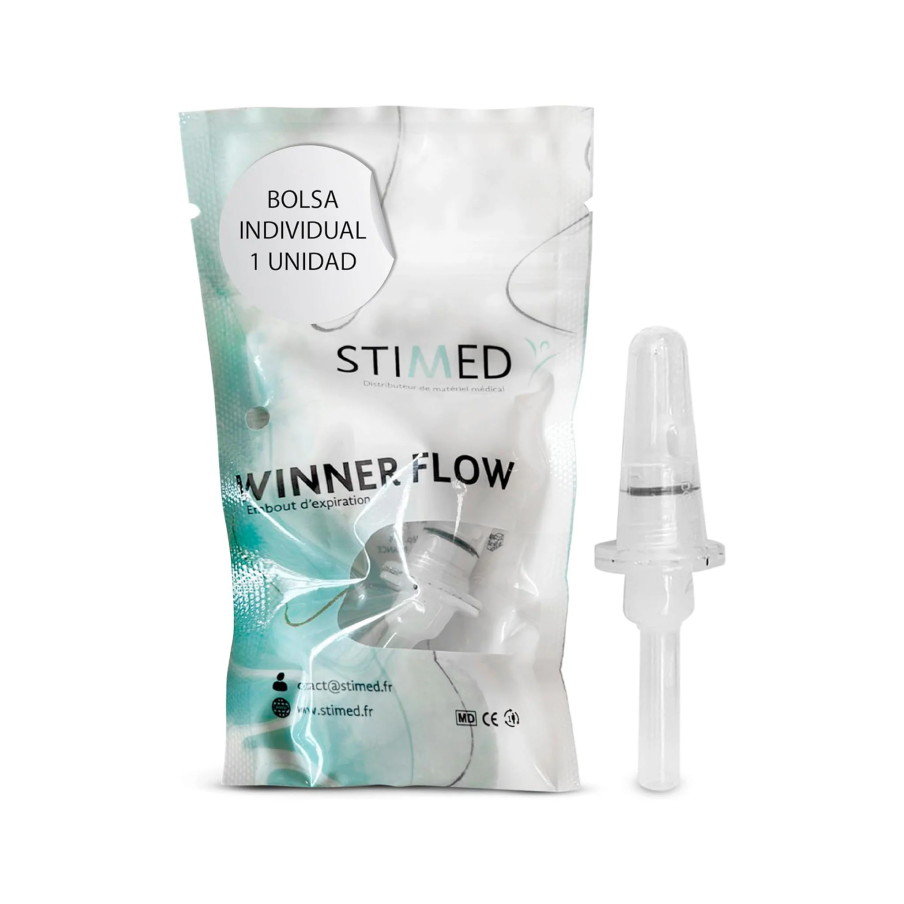
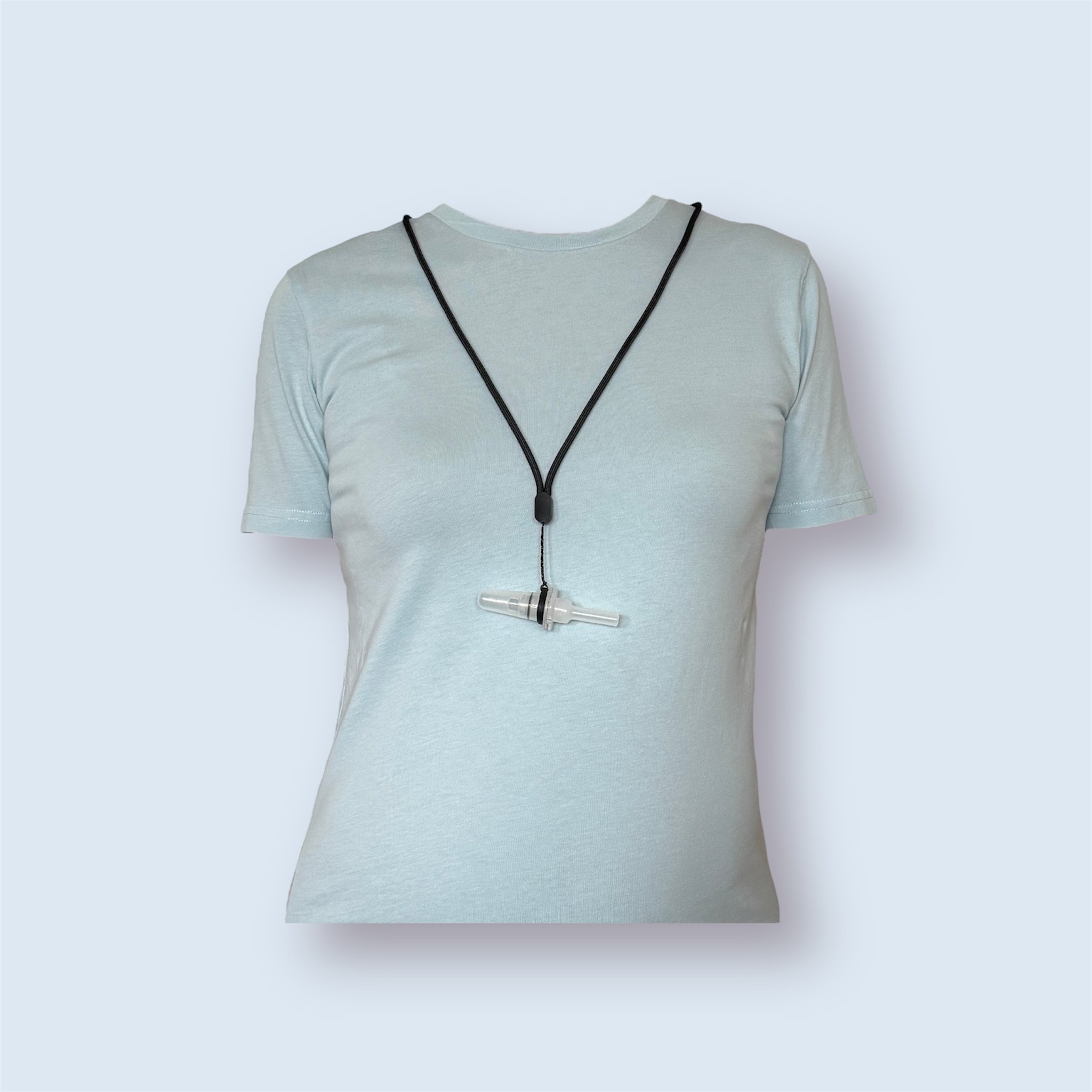
The Winner Flow is a simple breathing device that helps you maintain steady, controlled exhalations during labor. It reduces upper-body tension, supports pelvic floor relaxation, and encourages a more efficient breathing pattern when contractions become intense. Many parents find it helps them stay focused and calm during long or challenging phases of labor.
Winner Flow

WHY THIS MATTERS IN LABOR
During strong contractions, it’s common for shoulders, jaw, and upper-body muscles to tighten. That tension can increase discomfort and sometimes affect the rhythm of labor. The Winner Flow creates gentle resistance as you exhale, which naturally slows your breathing and helps release tension you might not even notice you’re holding.
HOW WE USE IT
You’ll practice with the Winner Flow during prenatal visits so the technique feels familiar before labor begins. We use it during contractions to support a consistent breathing rhythm, especially during moments when grounding and focus are important. It can also help during transitions between positions or when managing long early-labor periods at home.
BENEFITS
• Reduces upper-body and pelvic floor tension
• Encourages slow, steady breathing
• Helps manage discomfort during intense contractions
• Supports mental focus and rhythm during labor
• Easy to use at home, in the car, or at your birth location
PRACTICAL MENTAL PREPARATION FOR BIRTH
Mindfulness is a practical skill for labor. It trains your breathing, your attention, and your ability to stay steady during contractions and during moments when decisions need to be made quickly. My approach comes from formal training in mindfulness-based interventions and years of applying these methods in real birth environments.
We work with short exercises that help lower tension and improve concentration. These tools are used in early labor at home, through long active-labor periods, and in situations where medical decisions or changes of plan interrupt your rhythm. The goal is a mind that can stay with the work instead of being overwhelmed by it.
Parents who practice these skills consistently during pregnancy often tell me they relied on them more than anything else on the day of the birth.
Mindfulness Based Birth Preparation

When your nervous system is steady, contractions feel different. Mindfulness is one of the few tools that reliably stabilizes the system in real time.

Preparing With the GentleBirth App
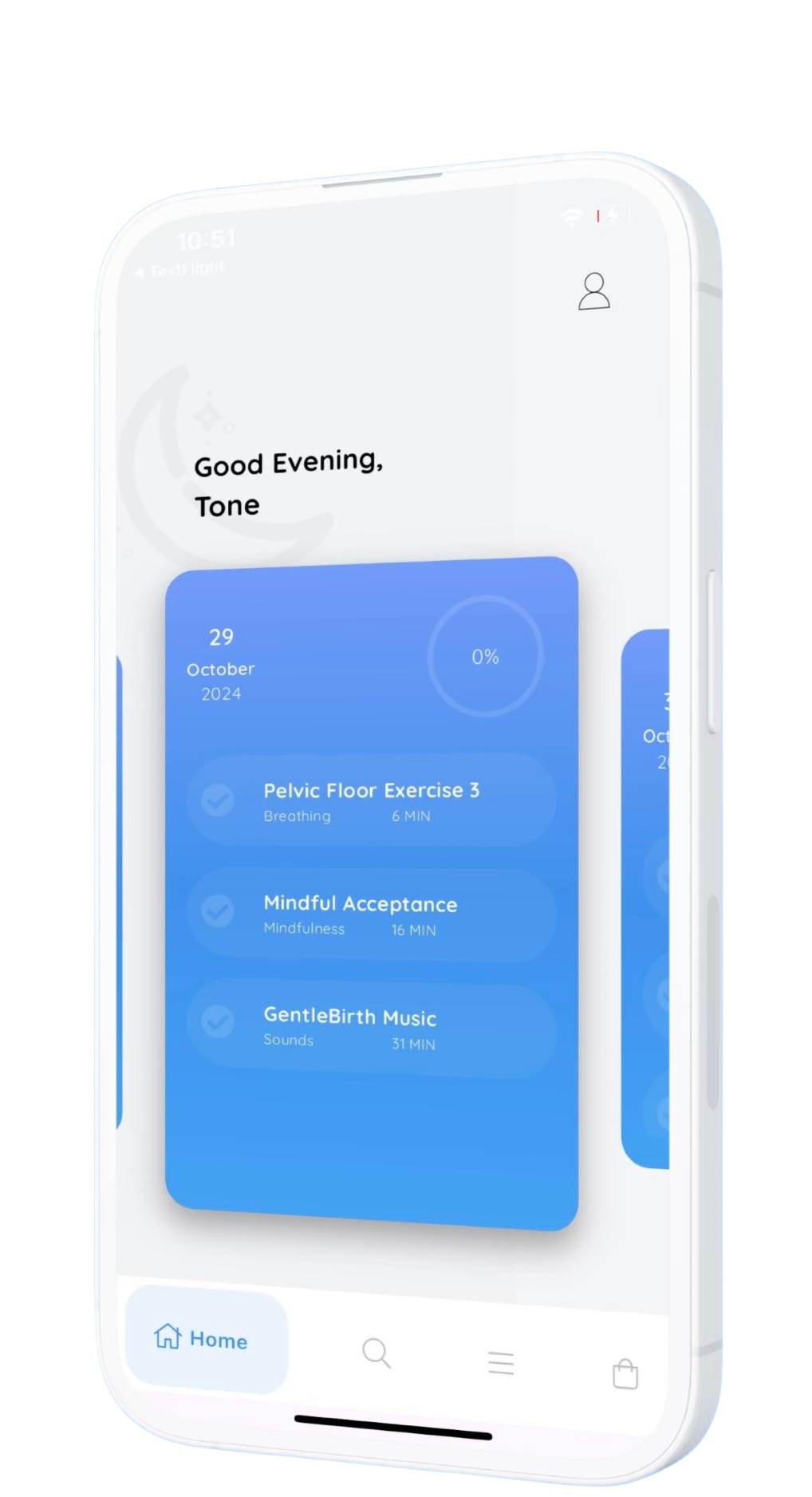
GentleBirth is the birth preparation program I designed and built over the course of more than a decade. It became the most widely used birth preparation app in the world and has supported tens of thousands of families. I sold the company in 2022, but the methods, cognitive tools, and training approach I created remain central to how I prepare parents for labor and postpartum.
When you work with me, you get full access to the GentleBirth app along with guidance on how to use it effectively. We focus on short daily practices that build attention, steady breathing, and the ability to stay clear-headed during contractions and decision-making. These are the same skills I’ve taught to parents, doulas, midwives, and clinicians in workshops and medical conferences internationally.
The app gives you a consistent way to train between our prenatal visits, and the techniques become reliable tools you can draw on when labor becomes demanding or the room gets busy.


Mindful Breastfeeding
SUPPORT FOR THE LEARNING CURVE OF EARLY BREASTFEEDING
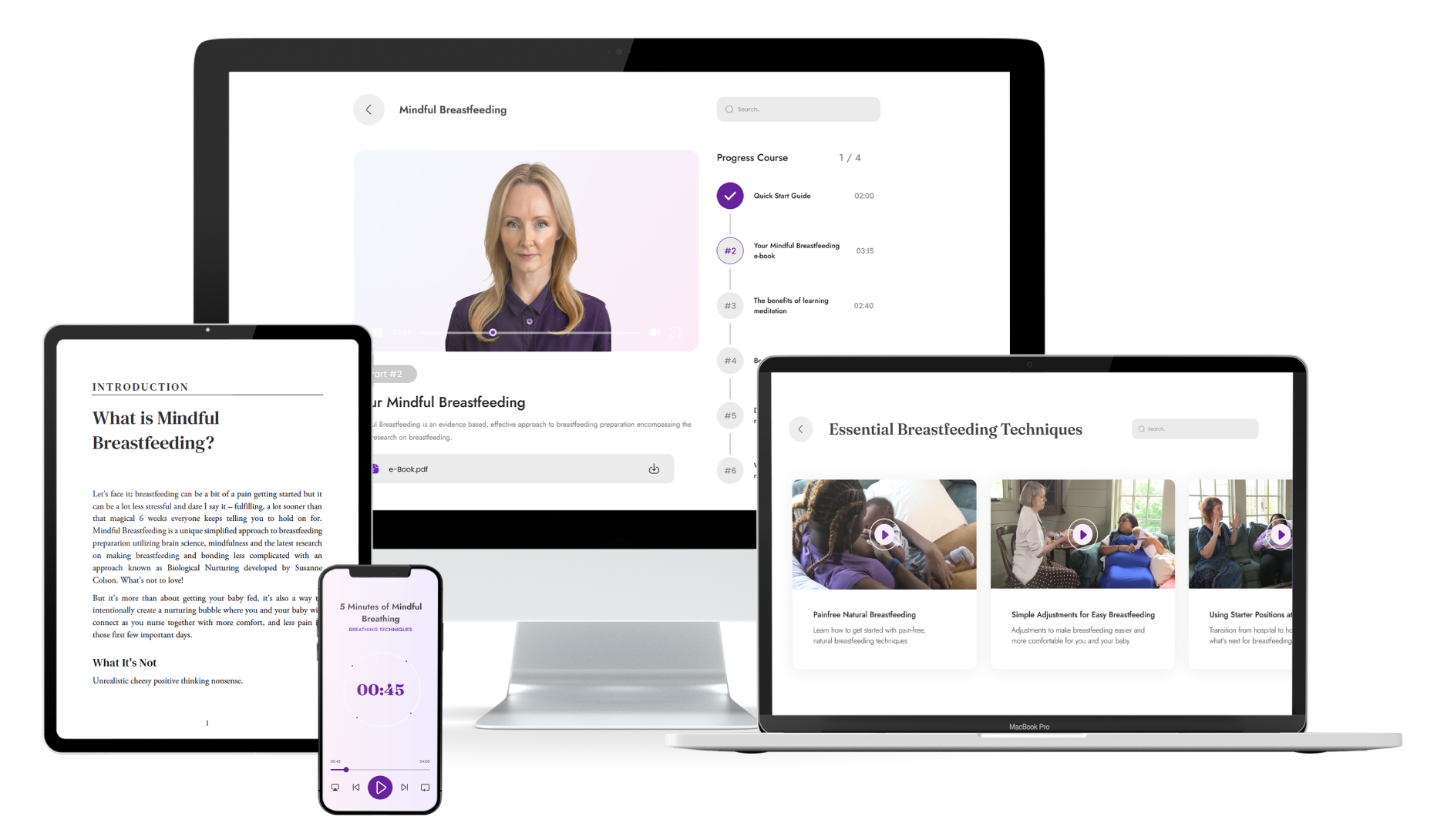
These evidence-based strategies help to simplify breastfeeding, nurturing a stronger bond between you and your baby.
You’ll receive full access to my Mindful Breastfeeding program as part of your doula support with me.
TRACY DONEGAN
Pregnancy, Birth and Postpartum Books





Availability is Limited.My calendar fills quickly, and I can only support a limited number of births each month. If you’re interested in working with me, start by completing the form to request my availability.